Fame Has a Receipt: Seven Bills That Come With Being a Living Legend
Being famous in a fantasy world should cost something — attention, taxes, rivals, and worse. Seven practical ways to make your players' growing legend as much a burden as a badge.

Roll Dice. Build Worlds. Tell Legends.
Being famous in a fantasy world should cost something — attention, taxes, rivals, and worse. Seven practical ways to make your players' growing legend as much a burden as a badge.

The galaxy far, far away is secretly one of the best swords-and-sorcery settings ever committed to film. Here are five storytelling devices from the original trilogy you should absolutely reskin for your tabletop campaign.
Mountains, rivers, and mountain passes have been quietly writing history for as long as humans have been around to record it. Here's how to borrow that trick and let your map generate cultures, conflicts, and quests without drafting a single lore doc.
You don't need a film composer's budget or an audio engineer's patience to score your campaign. Here's a complete sound kit — playlists, ambience, and cues — that any GM can build in a single afternoon, plus the pitfalls that kill immersion.
I used to fudge rolls like it was my job — until the night my players retold a catastrophic crit miss for three years straight. Here's my honest confession, and the framework I use now to decide when the bones fall where they may.
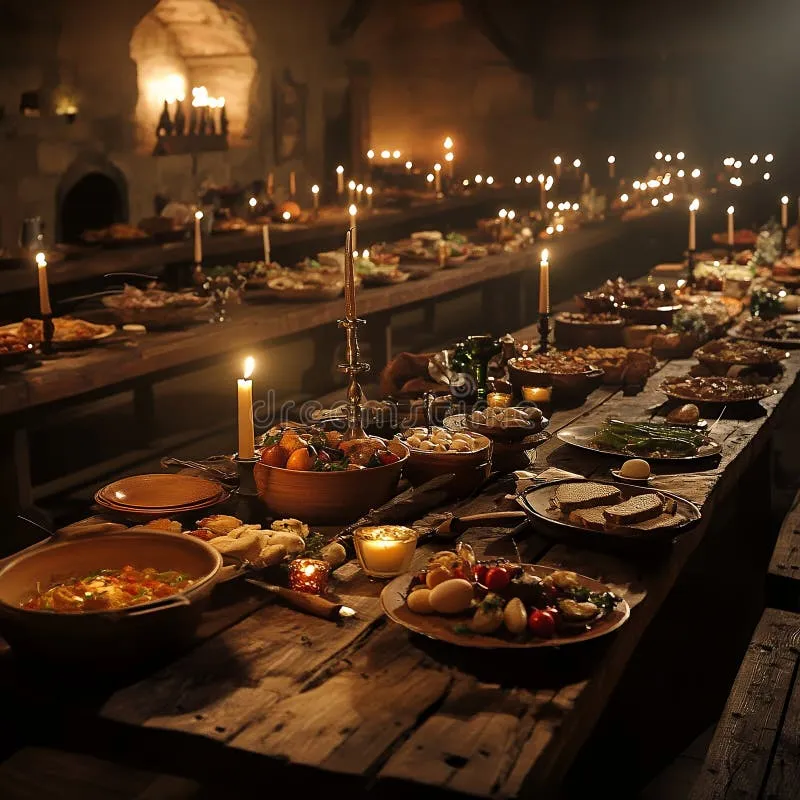
If your innkeeper has served 'mutton and mead' one more time, the party might stage an intervention. Nine real culinary traditions from Mongolia to Mesoamerica, each with a sensory hook and an adventure seed baked right in.
Plenty of GMs treat Session Zero as a checkbox — ask the questions, nod at the answers, then run the campaign they were always going to run. Here's a look at the comfortable lies we tell ourselves and what they cost at the table.
If your fantasy setting keeps defaulting to thatched cottages and a vaguely English countryside, this list is for you. Nine mythological traditions from around the world, with practical notes on adapting their themes into worldbuilding that feels lived-in rather than borrowed.
Most random tables are a slot machine that pays out nonsense. Here's how to build interlocking tables where every roll — from urban rumors to roadside encounters — quietly advances the story you're already telling.
Some of the best villains in tabletop history were never supposed to matter. They showed up, got under the players' skin, and refused to leave. Here's how to recognize when that's happening at your table — and how to ride it all the way to an unforgettable campaign climax.
Most loot just sits there, waiting to be equipped and forgotten. But what if your magic items had something to say about who's carrying them — and what they're doing with that power? Reactive treasure doesn't just reward players; it challenges them.
The gap between sessions isn't dead air — it's the most underused real estate in your entire campaign. When your world keeps moving while your players aren't watching, everything at the table starts to feel genuinely alive. Here's why the silence between sessions might be your best storytelling tool.
The most memorable magic items in any campaign aren't the ones that make characters unstoppable — they're the ones that come with a cost. Designing loot that creates tension, complicates morality, and drives story is a craft worth mastering.
Every campaign has a before and after — a single session where something happened that changed everything. Learning to spot those moments, lean into them, and stitch the aftermath back into your world is one of the most powerful skills a GM can develop.
Every dedicated GM has a folder full of half-built worlds, discarded maps, and lore documents that never saw the light of a session. Those abandoned settings aren't failures — they're raw material, and knowing how to mine them is a skill that will make you a better creator.
You spent weeks building your antagonist's master scheme, and your players just blew it apart in forty-five minutes. Here's why that's actually the best thing that could have happened — and how to design villain plots that turn player chaos into legendary victories.
Your players just rolled Arcana on a decorative wall carving you described in passing, and now they're expecting answers you haven't written yet. Here's how to turn those unplanned moments of curiosity into some of the richest lore your world has ever produced — without breaking a sweat.
You invented her in thirty seconds — a name, a smirk, and a tray of drinks. Now your players are writing her into their backstories and asking if she's okay every time the town gets threatened. Here's how to turn that happy accident into something genuinely great.
You spent three weeks designing the dragon's lair, but your players still talk about that weird fisherman they met at the docks. Here's why the margins of your campaign hold more magic than you think — and how to lean into that without losing the plot.
That shelved campaign you abandoned six months ago? It's not a failure — it's a treasure chest. Learn how to dig through your old notes, scrapped plots, and discontinued character arcs to fuel your current game with some of the richest material you've ever put on the table.