What Your Characters Carry Says Everything About Who They Are
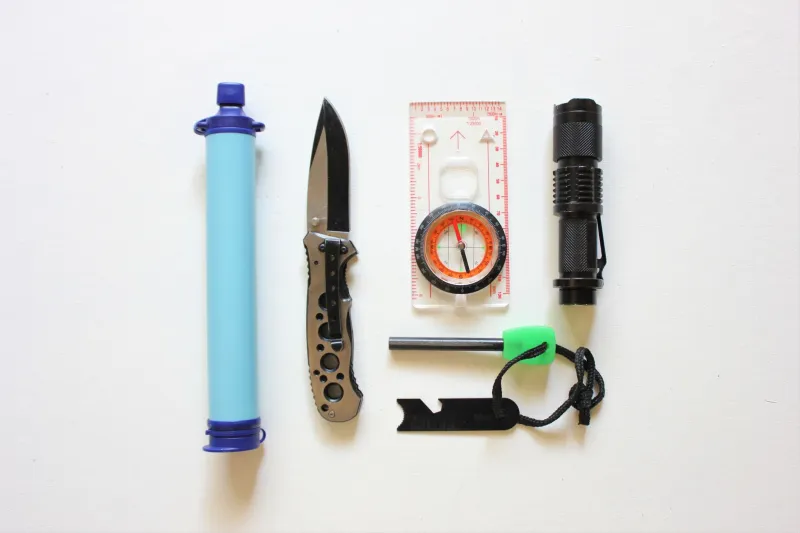
Ask any group of tabletop RPG players what they dread most about a session, and inventory management is going to come up. Somebody's always over-encumbered. Someone forgot to track their torch count. The ranger has seventeen arrows on the sheet but definitely used more than that during the goblin ambush. It's the bookkeeping nobody signed up for.
But here's the thing — and this is worth sitting with for a second — the stuff your characters carry is one of the most underused storytelling engines in the entire game. Not the gear itself, technically, but the relationship players develop with their inventory over time. What they choose to keep, what they abandon, what they refuse to sell even when gold is tight — that's character work happening right out in the open, and most tables let it slide by without a second glance.
Let's fix that.
The Object Becomes the Anchor
There's a concept in fiction writing called an object of significance — a physical item that carries emotional or thematic weight beyond its practical function. Think of the way a worn baseball glove means something different in a story than just "protective hand equipment." It's a connection to a father, a lost season, a version of yourself you're not sure you can get back to.
Tabletop RPGs can do this just as powerfully, but only if the GM and the players let it happen.
The easiest way to start is to pay attention to what players already latch onto. Maybe your fighter has been carrying a first-aid kit since session two because that was the session her character almost bled out in a collapsing mine. She hasn't needed it since. She's never going to sell it. That kit isn't just supplies — it's a quiet reminder that the world can end fast, and she survived it once. That's a character beat the player built entirely through inventory.
As a GM, your job is to notice these moments and occasionally give them room to breathe. Reference the kit during a tense encounter. Have an NPC ask about it. Let it matter.
The Rope That Became a Legend
One of the most beloved examples of this in tabletop circles is the humble rope. Standard equipment. Fifty feet, hempen, listed in the PHB right next to torches and rations. Nobody thinks twice about it.
Except when they do.
There are stories in basically every long-running campaign about a single piece of mundane gear that took on a life of its own. The rope that saved the party when the bridge collapsed. The rope that was used to restrain a traitor. The rope that someone tied around their waist as a joke before diving into the cursed lake and came back out changed. After enough moments like that, the rope isn't just equipment anymore. It's a relic. Players start joking about it, then they start protecting it, and eventually losing it would feel like a genuine loss.
That's the magic GMs can cultivate deliberately. Give mundane items the chance to be present during significant moments. Don't always rescue players from the consequences of forgetting gear. And when something unremarkable becomes remarkable through play, acknowledge it. Name it. Let the world notice.
Loss as a Story Beat
Here's where GMs can get really intentional: the removal of an item can hit just as hard as the item itself.
Losing gear in most RPGs is a logistical inconvenience. You mark it off the sheet, maybe grumble about the gold it'll cost to replace, and move on. But if you've spent time building significance around an object — or if the player has done that work themselves — losing it becomes a genuine narrative moment.
Consider designing situations where loss is meaningful rather than random. The villain doesn't just defeat the party; she takes the paladin's holy symbol, the one he inherited from the mentor who died in session five. Now the retrieval of that symbol isn't a side quest — it's the quest, emotionally. The players will feel it differently than they'd feel a dungeon crawl for abstract treasure.
You can also use voluntary sacrifice. When a player chooses to give something up — drops the enchanted shield to save a drowning child, burns the only map to keep it out of enemy hands — that decision lands with weight proportional to how much that item meant. Build the meaning first, then create situations where giving it up becomes a real choice.
What They Refuse to Carry
Flip it around. What do your players refuse to pick up?
This is often even more revealing. A player whose character won't touch cursed items even when they'd be useful is telling you something about that character's relationship with power and risk. A rogue who won't carry healing potions because she "doesn't plan on needing them" is giving you a window into a worldview — and maybe a vulnerability you can eventually press on.
As a GM, you can lean into this. Notice the patterns. If a character has never once carried a ranged weapon despite multiple opportunities, ask yourself why, and then maybe ask the player — not at the table, but in a side conversation. Sometimes it's just oversight. Sometimes there's a story there they haven't told yet.
Practical Moves for Your Next Session
You don't need to overhaul your entire campaign to make inventory more meaningful. A few small shifts go a long way.
Slow down the loot moment. Instead of rattling off a list of items found in a chest, describe them. Give each one a sentence. A dagger with a cracked pommel. A letter folded so many times it's starting to split at the creases. A child's shoe. Players will naturally start asking questions, and questions are the beginning of investment.
Let scarcity create stakes. If torches are always available and food never runs out, players won't think twice about either. But a session where the party burns through their light sources faster than expected — and has to decide whether to press deeper into the dungeon in the dark — suddenly makes every torch feel precious.
Reward attachment. When a player has clearly grown attached to an item, find small ways to honor that. An NPC recognizes the sword. A historian wants to study the amulet. The item has a reputation in a city the party visits. These moments cost you almost nothing to create and mean a lot to the players who catch them.
Create items with built-in mystery. The best inventory objects are the ones that raise questions. A compass that doesn't point north. A coin that's always warm. A journal written in a language no one in the party can read yet. Players will hold onto these things long after they've forgotten the magic sword they found in the same dungeon.
The Stuff of Legends
Every great fantasy story is full of objects that carry weight — Frodo's mithril shirt, Eowyn's sword, the one ring itself. These aren't just props. They're story. They accumulate meaning through use, loss, sacrifice, and survival.
Your players' inventory sheets are the same thing, waiting to happen. The difference is that at your table, the players get to decide what matters. And when they decide something matters, your job is to make sure the world notices.
That's not bookkeeping. That's worldbuilding from the inside out.