Congratulations, Your Players Just Arrested the Big Bad — Now What?
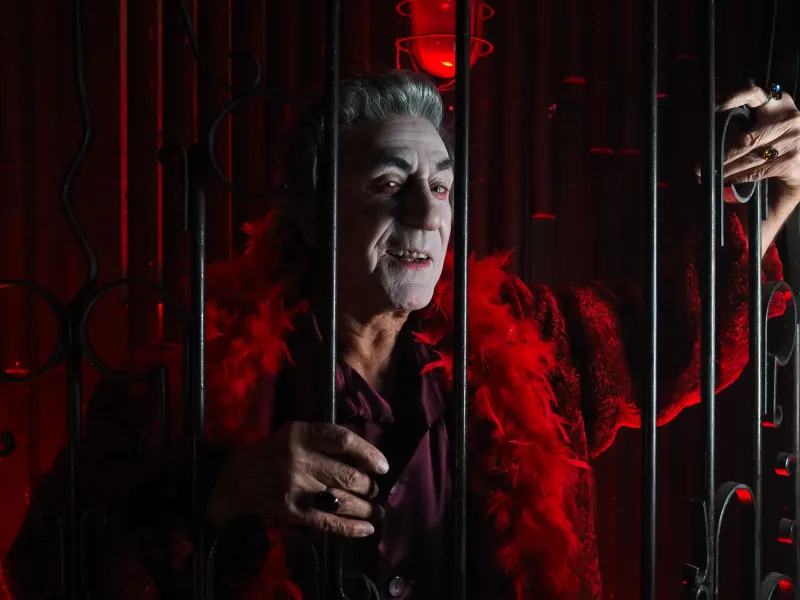
It happens faster than you expect. One session your players are still three story arcs away from the final confrontation. The next session, someone rolls a natural 20 at exactly the wrong moment, a clever trap snaps shut, and your meticulously built Big Bad Evil Guy is sitting in magical restraints while your players look at each other with the wild energy of people who just pulled off a heist they weren't sure would work.
And you're sitting behind your GM screen thinking: I had a whole speech prepared.
First: breathe. The campaign isn't broken. The story isn't over. What your players actually did was hand you one of the most dramatically rich scenarios tabletop RPGs can produce — and if you know how to work with it, the sessions that follow might outshine anything you had originally planned.
Why This Feels Like a Crisis (And Why It Isn't)
The gut reaction most GMs have to a captured villain is panic, and it's understandable. You built this character. You had their arc mapped out. The climactic confrontation was supposed to be the payoff for everything the players had been through — the moment where the themes of the campaign crystallized into one dramatic encounter.
And now that moment seems like it's been skipped.
But here's the thing: your players didn't skip the climax. They created a different one. The capture itself was a climax — it required creativity, risk, and probably some spectacular dice rolls. The question isn't how to get back to your original plan. The question is how to honor what just happened and build forward from it.
The Villain in Chains Is More Interesting Than the Villain on a Throne
When your BBEG was powerful and free, they were a threat. Now that they're captured, they're something more complicated: a person. And people in captivity reveal things that people in power never do.
This is your opportunity to do the character work that climactic boss fights rarely allow. A villain explaining themselves — not in a monologue during combat, but in a real conversation with the people who just caught them — can be devastating in the best possible way. What do they actually believe? What are they afraid of? What do they think your players got wrong about them?
If you've built any nuance into this character at all, the interrogation scene or the prison visit might be the most memorable roleplay your campaign has ever produced.
The Trial Arc: Slower, Messier, Better
One of the most underused narrative structures in tabletop RPGs is the public trial. If your villain is someone the world knows about — a warlord, a corrupt archmage, a fallen religious leader — their capture creates a legal and political crisis that's genuinely more complex than a final battle.
Who has jurisdiction? Who gets to decide the verdict? Are there factions that want the villain freed, not because they're evil, but because they're useful? Does the villain have allies who will testify on their behalf, and are any of those allies people your players actually like?
Trial arcs force players to engage with the world's institutions in ways that combat rarely does. They have to argue, persuade, gather evidence, and navigate political relationships. The villain gets to speak. The players have to reckon with the possibility that some of what the villain says is true.
And if you've done your faction work well — if you've built organizations with competing interests as suggested in good worldbuilding practice — a trial becomes a pressure cooker that exposes every fault line in your world simultaneously.
The Escape That Changes Everything
If a trial feels too procedural for your table's style, the villain's escape is a classic escalation — but it works best when the escape itself carries meaning.
The lazy version: the villain escapes because they're powerful and clever, and now the final confrontation is back on the table. That's fine, but it doesn't use the capture for anything.
The interesting version: the villain escapes because of something your players did or failed to do. Maybe they argued about who should guard the prison and left a gap. Maybe they trusted an NPC who turned out to be compromised. Maybe the villain escaped because the institution holding them was corrupt in exactly the ways the villain always claimed it was — and now your players have to sit with that.
Escape through player consequence is an escape that teaches something. It deepens the story rather than resetting it.
The Villain Who Doesn't Want to Escape
Here's the option that most GMs don't consider: what if the villain wants to be captured?
Maybe their trial is the platform they've been building toward all along — a chance to broadcast their ideology to the world. Maybe they know something is coming that makes their current imprisonment irrelevant. Maybe they've been working toward martyrdom, and your players just played directly into it.
This reframe turns the capture from an anti-climax into a trap, and it gives your villain a layer of terrifying competence that a straight-up final battle rarely achieves. The players won the fight but might have lost the war — and figuring out how to reckon with that is a story worth telling.
What About the Climax You Lost?
Here's the honest answer: you didn't lose it. You deferred it.
The dramatic confrontation your players "skipped" is still available to you — it just needs a new context. Maybe the trial collapses into violence. Maybe the villain, freed by allies, faces the party again under circumstances that are more personal and higher-stakes than the original planned encounter would have been. Maybe the confrontation happens in a prison cell with no weapons, no spells, just two sides of a story that can't both be right.
The players' creative risk-taking gave you more material, not less. The original climax was one scene. What you have now is a whole arc.
A Quick Checklist for the Session After the Capture
Before your next session, run through these questions:
- What does the villain want now that they're captured? (This is the most important question.)
- Which existing factions have a stake in what happens to them?
- What does capture cost your players — politically, morally, practically?
- Is there a timeline pressure that makes this more urgent? (An invasion, a ritual, a succession crisis?)
- What does the villain know that no one else does, and when will that become relevant?
Answer those five questions and you have the spine of your next three sessions.
Your players didn't wreck your campaign. They trusted you enough to try something wild. Now trust yourself enough to follow them there.